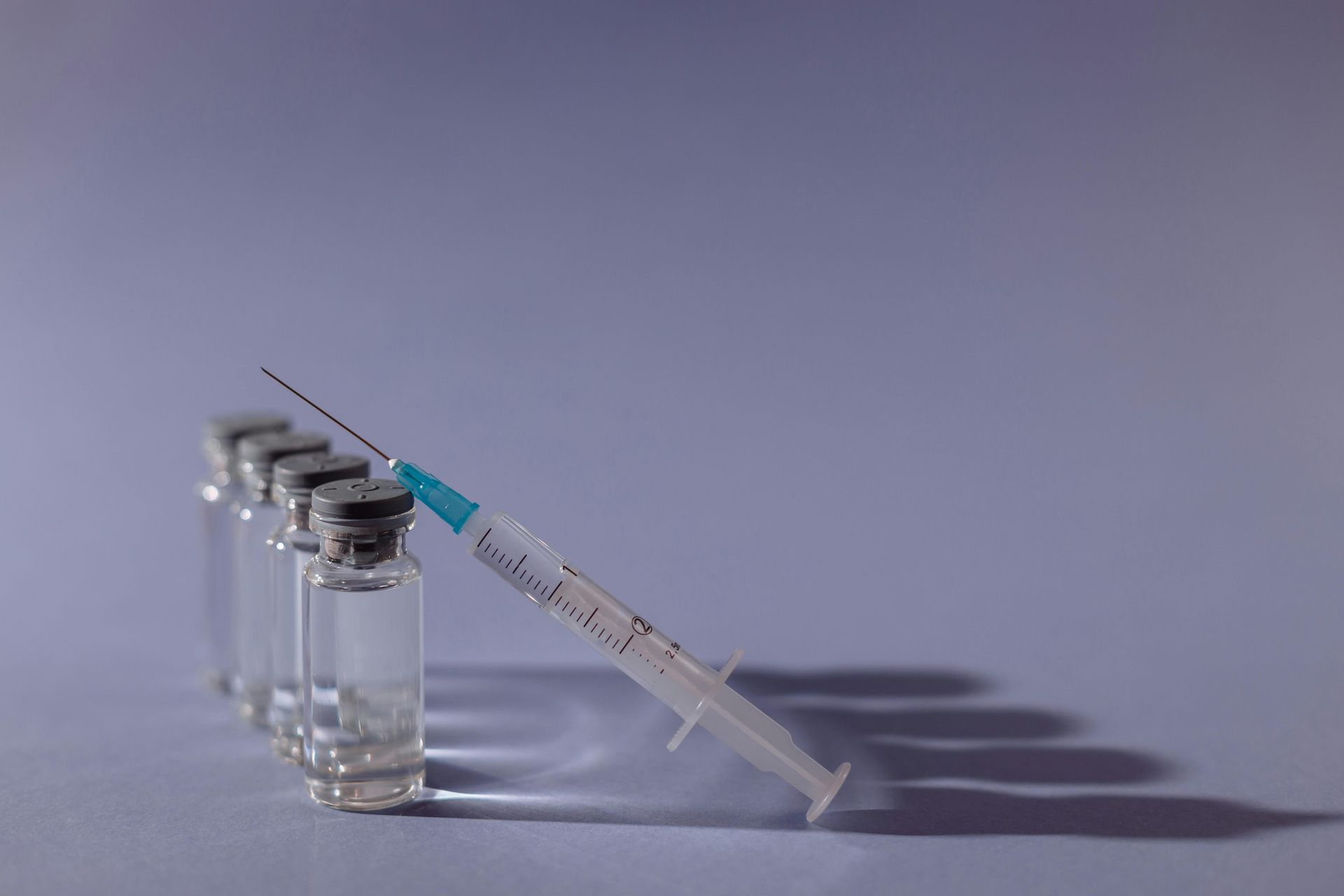
As the leaves change and the weather cools down, there’s something else that comes with the fall season: flu season. While cozy sweaters and pumpkin spice lattes might be on your mind, there’s one thing you definitely don’t want to forget—the flu vaccine. It’s more than just a shot; it’s a powerful tool to protect yourself and your community from a potentially serious illness. Why Get the Flu Vaccine? The flu is often mistaken for just a bad cold, but it’s much more than that. The flu can cause severe symptoms, leading to missed work or school, and in some cases, it can even be life-threatening. Each year, thousands of people are hospitalized because of the flu, and getting vaccinated is the best way to reduce your risk. Here’s why the flu vaccine is so important: Protect Yourself: The flu vaccine significantly lowers your chances of getting the flu. And even if you do get sick, the vaccine can make your illness milder and reduce the risk of serious complications. Protect Others: Not everyone can get the flu vaccine, including some people with certain medical conditions and young infants. By getting vaccinated, you help protect those who are more vulnerable by reducing the spread of the virus. Avoid Complications: For some people, the flu can lead to serious complications like pneumonia, especially in older adults, young children, pregnant women, and those with chronic health conditions like asthma or diabetes. The vaccine helps prevent these complications. It’s Updated Every Year: The flu virus changes each year, so the vaccine is updated annually to protect against the most common strains. That’s why it’s important to get vaccinated every year. Myths and Facts About the Flu Vaccine There are a lot of myths out there about the flu vaccine, so let’s set the record straight: Myth: The flu vaccine can give you the flu. Fact: The flu vaccine cannot cause the flu. It contains either inactivated (killed) viruses or a particle designed to look like the flu virus, so it’s impossible to get the flu from the shot. Myth: Healthy people don’t need the flu vaccine. Fact: Even healthy people can get the flu, and they can spread it to others. Getting vaccinated protects not only you but also those around you. Myth: It’s too late to get the flu vaccine once flu season starts. Fact: It’s never too late! Flu season can last well into the spring, so getting vaccinated anytime during the season can still provide protection. Who Should Get the Flu Vaccine? Almost everyone 6 months and older should get the flu vaccine, with few exceptions. It’s especially important for: Older adults Young children Pregnant women People with chronic health conditions like asthma, diabetes, or heart disease Healthcare workers and caregivers If you’re unsure whether the flu vaccine is right for you, talk to your healthcare provider. They can help you understand your risks and the benefits of vaccination. Where Can You Get the Flu Vaccine? Flu vaccines are widely available at healthcare clinics, pharmacies, and even some workplaces. At MainelyNP, we encourage all of our patients to get their flu vaccines as part of our commitment to keeping our patients and community healthy. NP Amy will be hosting a flu shot clinic at Routine Brunswick October 14th from 4 - 7pm. Sign up here to get yours here! Protect Yourself and Your Community Getting the flu vaccine is a simple, safe, and effective way to protect yourself and those around you from the flu. It’s quick, easy, and can make a huge difference in preventing illness this season. Don’t wait—schedule your flu shot today and stay healthy all season long!
I was on a podcast!! Listen and get to know more about me!! Thank you Dr. Phil Finemore of WorkFitME Physical Therapy and the Strength For Your Purpose Podcast for having me on the podcast to share my passion for nursing and taking care of people! @strengthforyourpurposepod We discussed what inspired me to pursue nursing, become a nurse practitioner, and ultimately open MainelyNP Primary Care. We also explored my passion for helping people achieve optimal health through personalized, compassionate care and meaningful patient education. If you’re looking for a simpler, more personal approach to healthcare, Direct Primary Care offers accessible, relationship-based care—and you can learn more by scheduling a free meet-and-greet to see if it’s the right fit for you. Hear my story and more about my direct primary care practice by downloading and listening to this episode wherever you find podcasts! Here is the Spotify link! I love meeting more local healthcare providers! When we come together and share experiences we can provide even better care for our patients. Phil Finemore, PT, DPT is the owner of WorkFitME Mobile Physical Therapy. He has a goal of helping busy Maine professionals find the mental, emotional, and physical strength to fulfill their true purpose in life. The mission is to approach the topic of wellness holistically and show you how outer and inner strength can spill over to all areas of life, creating waves of positive change in its path. Check out his website and social media to build a healthier, stronger, and pain free body! @drphilptdpt @workfitme

insurance and direct primary care
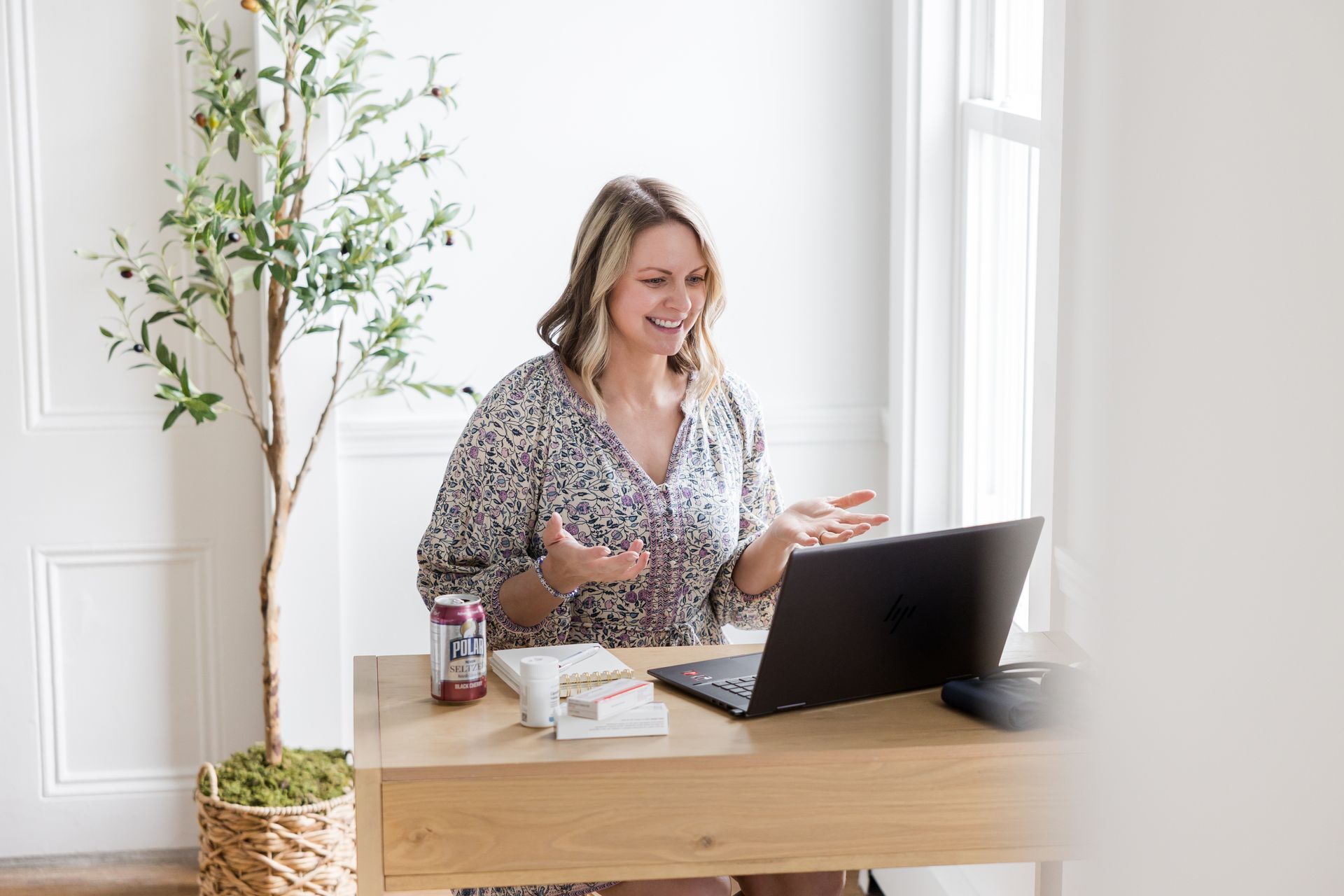
Choosing a Nurse Practitioner as your primary care provider offers a number of advantages, from their holistic approach to care and emphasis on patient education to their accessibility and collaborative practice style. NPs not only deliver quality healthcare but also prioritize building lasting relationships with their patients, creating a supportive and empowering healthcare experience.
Welcome to this week’s Mini-Blog lesson where we share our recent lifestyle wellness group topics in 7 short lessons. This is post number 8, so if you missed the last 7 posts, head back to read them first so you don’t miss a thing. Week 8: Looking Ahead – Your Health Journey Wellness is not a finish line—it’s an ongoing journey. Over these 8 weeks, you’ve built a foundation of small, meaningful changes that add up to better health. Now it’s about carrying them forward and staying connected to what motivates you. Think of your wellness plan as a living document. It can grow, shift, and change with your needs and seasons of life. What matters most is that you’ve proven to yourself that change is possible, and sustainable, one step at a time. ✨ Reflection Prompt: What’s one lesson from this program that you want to carry into the next season of life? 🌱 Habit to Try This Week: Write down your top 3 health priorities for the next month and one action step for each. Ready to schedule a Free meet & greet with NP Amy?
Welcome to this week’s Mini-Blog lesson where we share our recent lifestyle wellness group topics in 7 short lessons. This is post number 7, so if you missed the last 6 posts, head back to read them first so you don’t miss a thing. Week 7: Putting It All Together – Habits That Stick By now, you’ve tried new strategies in nutrition, movement, sleep, stress, and connection. The next step is making these habits sustainable. We talked about setting SMART goals (Specific, Measurable, Achievable, Relevant, Time-based) and using accountability to stay on track. The goal isn’t perfection, but progress. Habits are built through repetition, and setbacks are part of the process. When you get off track, reflect on what happened, adjust, and keep going. ✨ Reflection Prompt: Which new habit feels most natural to you, and which needs more support? Once you complete the reflection prompt, keep these things in mind when you set a new habit goal and create systems to support you. 🌱 Habit to Try This Week: Choose one habit from the past 6 weeks to commit to daily for the next 7 days. Ready to schedule a Free meet & greet with NP Amy?

Welcome to this week’s Mini-Blog lesson where we share our recent lifestyle wellness group topics in 7 short lessons. This is post number 6, so if you missed the last ones, head back to read them first so you don’t miss a thing. Week 6: Social Connection – Why Relationships Matter We are wired for connection. Supportive relationships improve mood, resilience, and even physical health. Loneliness, on the other hand, is linked to higher risk of chronic disease. This week we talked about building meaningful connections, whether that’s reaching out to a friend, joining a group, or simply spending more time with loved ones. Small efforts to connect can make a big impact on overall well-being. ✨ Reflection Prompt: Who in your life helps you feel most supported or energized? Once you complete the reflection prompt, keep these things in mind when you set a new habit goal and create systems to support you. 🌱 Habit to Try This Week: Reach out to one person you care about and make time to connect. Ready to schedule a Free meet & greet with NP Amy?

Welcome to this week’s Mini-Blog lesson where we share our recent lifestyle wellness group topics in 7 short lessons. This is post number 5, so if you missed the last ones, head back to read them first so you don’t miss a thing. Week 5: Stress Management – Learn to Reset, Not Just Push Through Stress is part of life, but chronic stress wears down both body and mind. We often push through, ignoring the signals our bodies are sending. Learning to pause and reset—even for just a few minutes—can protect our health. Simple tools like deep breathing, mindfulness, stretching, journaling, or even a quick walk outside can help. It’s less about eliminating stress and more about creating buffers so it doesn’t overwhelm us. ✨ Reflection Prompt: How does your body tell you when you’re stressed? Once you complete the reflection prompt, keep these things in mind when you set a new habit goal and create systems to support you. 🌱 Habit to Try This Week: Practice one short stress-relief technique each day (deep breaths, 5-minute walk, journaling, or stretching). Ready to schedule a Free meet & greet with NP Amy?

Welcome to this week’s Mini-Blog lesson where we share our recent lifestyle wellness group topics in 7 short lessons. This is post number 4, so if you missed the last ones, head back to read them first so you don’t miss a thing. Week 4: Restorative Sleep – Recharge and Reset Sleep isn’t a luxury—it’s a biological need. During sleep, your body repairs itself, your brain processes information, and your hormones reset. Skimping on rest affects everything from mood to metabolism. We discussed sleep routines, like winding down before bed, limiting screens, keeping a consistent schedule, and creating a restful environment. Even small improvements in sleep quality can make a big difference in energy and focus. ✨ Reflection Prompt: How do you feel after a good night’s sleep compared to a poor one? Once you complete the reflection prompt, keep these things in mind when you set a new habit goal and create systems to support you. 🌱 Habit to Try This Week: Set a regular bedtime and stick to it within 30 minutes, even on weekends. Create a 10-15minute sleep hygiene routine before bed. Ready to schedule a Free meet & greet with NP Amy?

Welcome to this week’s Mini-Blog lesson where we share our recent lifestyle wellness group topics in 7 short lessons. This is post number 3, so if you missed the last ones, head back to read them first so you don’t miss a thing. Week 3: Physical Activity – Finding Movement That Works Exercise doesn’t have to mean hours in the gym or training for a marathon. Movement is simply about finding ways to use your body that you enjoy and can stick with long term. We talked about how movement improves mood, reduces stress, supports sleep, and strengthens both muscles and bones. The best exercise is the one you’ll actually do. For some, that’s walking, dancing, or gardening. For others, it’s yoga, swimming, or strength training. Instead of thinking about what you “should” do, focus on what feels good and sustainable. ✨ Reflection Prompt: What kinds of movement make you feel energized or joyful? Once you complete the reflection prompt, keep these things in mind when you set a new habit goal and create systems to support you. 🌱 Habit to Try This Week: Add 10 minutes of movement to your day in a way that feels enjoyable. Ready to schedule a Free meet & greet with NP Amy?